

Expanded Polystyrene (EPS) Raw Material: Versatility Driving Global Industry Transformation and Sustainable Innovation in 2026
In a global economy increasingly focused on efficiency, sustainability, and material innovation, expanded polystyrene (EPS) raw material has emerged as an unsung hero, quietly revolutionizing industries from construction to cold chain logistics. Derived from petroleum-based polystyrene resin infused with a blowing agent—typically pentane—this lightweight, closed-cell foam material has transcended its traditional associations with packaging and insulation to become a cornerstone of modern manufacturing. As the global EPS market maintains a steady growth trajectory, projected to reach $18.2 billion by 2030 with a CAGR of 4.8% from 2025 to 2030, its raw material’s unique combination of thermal insulation, shock absorption, durability, and moldability continues to unlock new applications worldwide. This comprehensive analysis explores the multifaceted uses of EPS raw material, the technological advancements elevating its performance, and the industry’s collective push toward sustainability—all critical factors shaping its role in the global supply chain in 2026 and beyond.
Construction: The Largest Consumer of EPS Raw Material
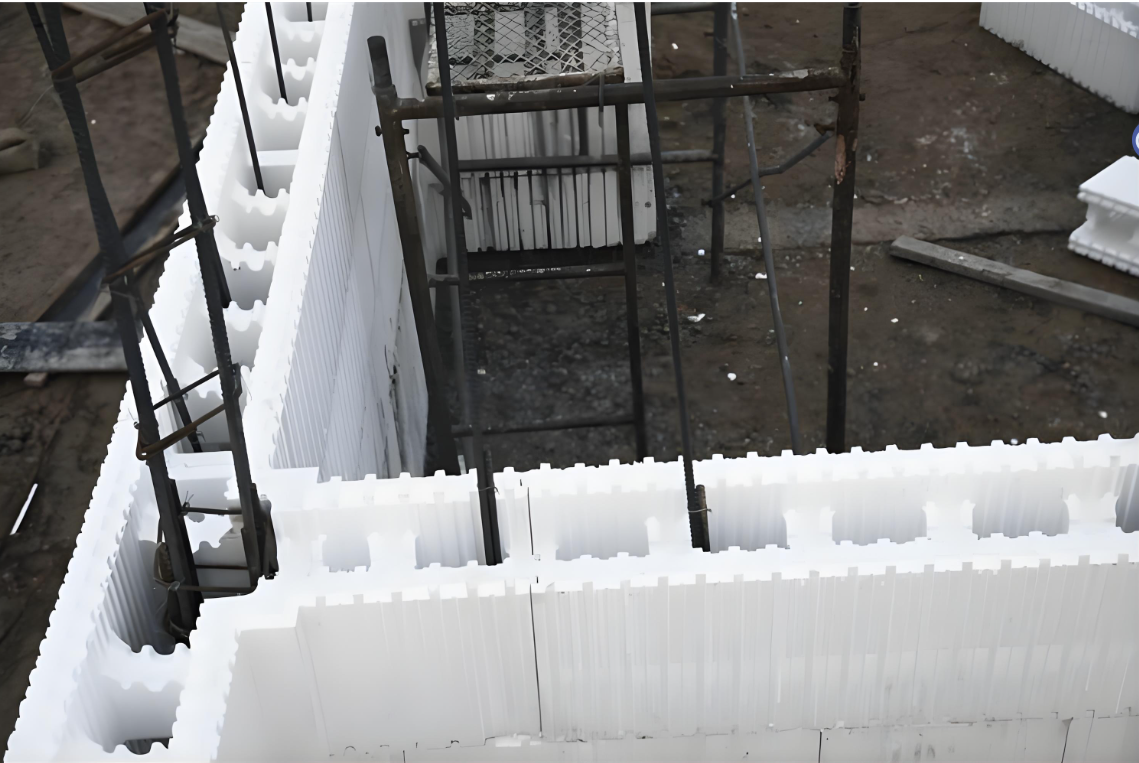
The construction industry remains the single largest consumer of EPS raw material, accounting for approximately 35% of global EPS consumption. As governments worldwide tighten energy efficiency regulations and prioritize sustainable building practices, EPS has become a go-to material for architects, contractors, and developers seeking to reduce carbon footprints while lowering construction and operational costs. Its thermal insulation properties, lightweight nature, and durability make it ideal for a wide range of construction applications, from residential homes to commercial skyscrapers and industrial facilities.
Packaging: Protecting Products and Optimizing Supply Chains
The packaging industry is the second-largest consumer of EPS raw material, accounting for approximately 30% of global consumption. Driven by the growth of e-commerce, the expansion of cold chain logistics, and the need to protect high-value, fragile goods, EPS packaging has become an integral part of the global supply chain. Its unique combination of shock absorption, thermal insulation, and lightweight efficiency makes it ideal for a wide range of packaging applications, from electronics to pharmaceuticals and fresh produce.