Product Introduction:
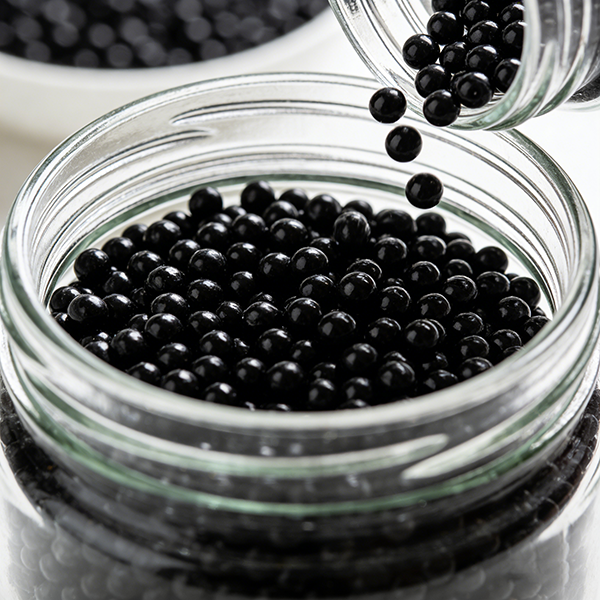
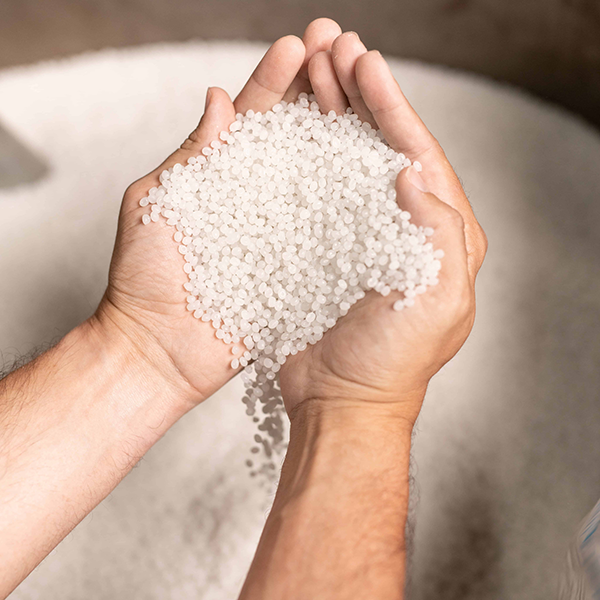
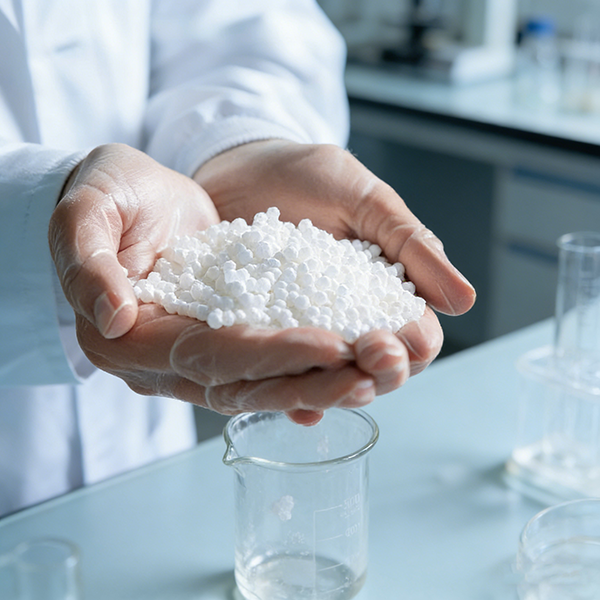
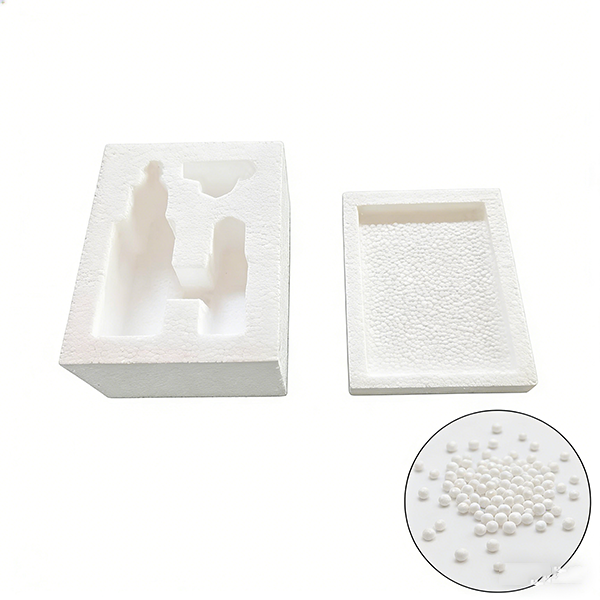
Daruwin'sEPS beads for model making is a foaming agent that features a unique formulation for various EPS model products. People usually use this kind of material to make architectural models, industrial prototypes, display models, sculpted models, as well as different custom-shaped parts. These EPS particles demonstrate uniform foaming and a very fine cell structure, which result in a very stable structure and a high-quality surface flatness after the molding process. Therefore, the resulting models are not only very light but also subsequent cutting, carving, and surface treatment are made easy. Upon processing, the granules show good flowability, which helps in getting a complete mold filling and a strong capability to reproduce complex structures and details, thus avoiding problems like missing corners, collapse, or uneven density. The final EPS models have enough strength and they are quite resistant to chipping, which makes the models easy to handle and install, and at the same time, they satisfy the requirements for display, processing, and repeated use. Basically, it is a very practical and economical basic raw material for model making.

What types of models is this EPS granule mainly used for?
EPS beads for model making refer to an EPS bead that can be re-foamed several times. By means of pre-foaming, curing, and mold forming, or by directly forming large panels followed by cutting, carving, and splicing, it becomes the main material of various EPS models.
Practically, types of products that are used in include:
Architectural display models (real estate, planning models)
Exhibition display models, scene models
Industrial structural models, equipment models
Film and television props, stage design models
Teaching models, scale models
Sculpted, irregularly shaped EPS modules
Why is this EPS foam suitable for model making?
Daruwin EPS foam beads are perfect for model uses because of a few important aspects.
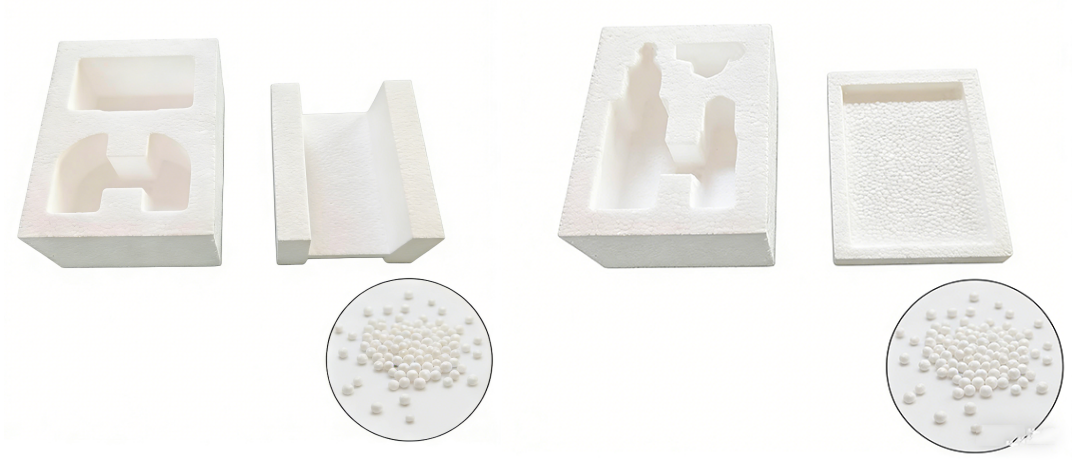
After several cycles of foaming, the granules are spherical in shape and have a uniform size thus the finished product has a fine internal structure and no presence of coarse pores or voids. This is the main factor that directly affects the smoothness of the cut surface. The finished model should neither be too soft (easily falling apart) nor very hard (difficult to cut and sculpt). Daruwin's EPS granules for model moulding provides a strong adjustability in foaming ratio and particle size combination, thus it is easier to find the right balance which facilitates processing and prevents brittleness. Most EPS models need to be spliced and aligned; if the material shrinkage is unstable, it can easily lead to deformation later, which results in the overall work being affected. This is a point that model makers are particularly concerned about.
| Model | Particle size (mm) | Foaming ratio (times) | Typical Model Applications |
| P-103 | 1.2–1.6 | 70–90 | Large-scale display models, architectural block models |
| P-104 | 0.8–1.2 | 65–85 | Standard models, large panel cutting models |
| P-105 | 0.6–0.9 | 55–70 | Models requiring high levels of detail |
| P-106 | 0.4–0.7 | 40–60 | Fine carving models, complex and irregularly shaped parts |
Is processing and post-processing unfriendly to model manufacturers?
In terms of practical production, EPS model making raw material beads are quite compatible with model processing factories. The foam particles are dry and loose during the pre-foaming stage, which helps to prevent them from sticking together and also, they are highly fluid, thereby making it easy to get uniform large panels or molds. The curing time typically falls between 4-12 hours and this gives the manufacturer a flexible time schedule. The EPS material after molding is quite uniform in resistance to cutting and carving and is less susceptible to hardness variations. Hot wire cutting, CNC carving, or manual shaping can be used for the production of the shape and the feel is pretty consistent in all cases.
Daruwin's R&D and Factory Capabilities
When working with EPS model customers, we try to address the following concerns:
What size are you working on – large blocks or fine carving?
Are you going to use hot wire cutting or CNC?
How high is the surface finish requirement for you?
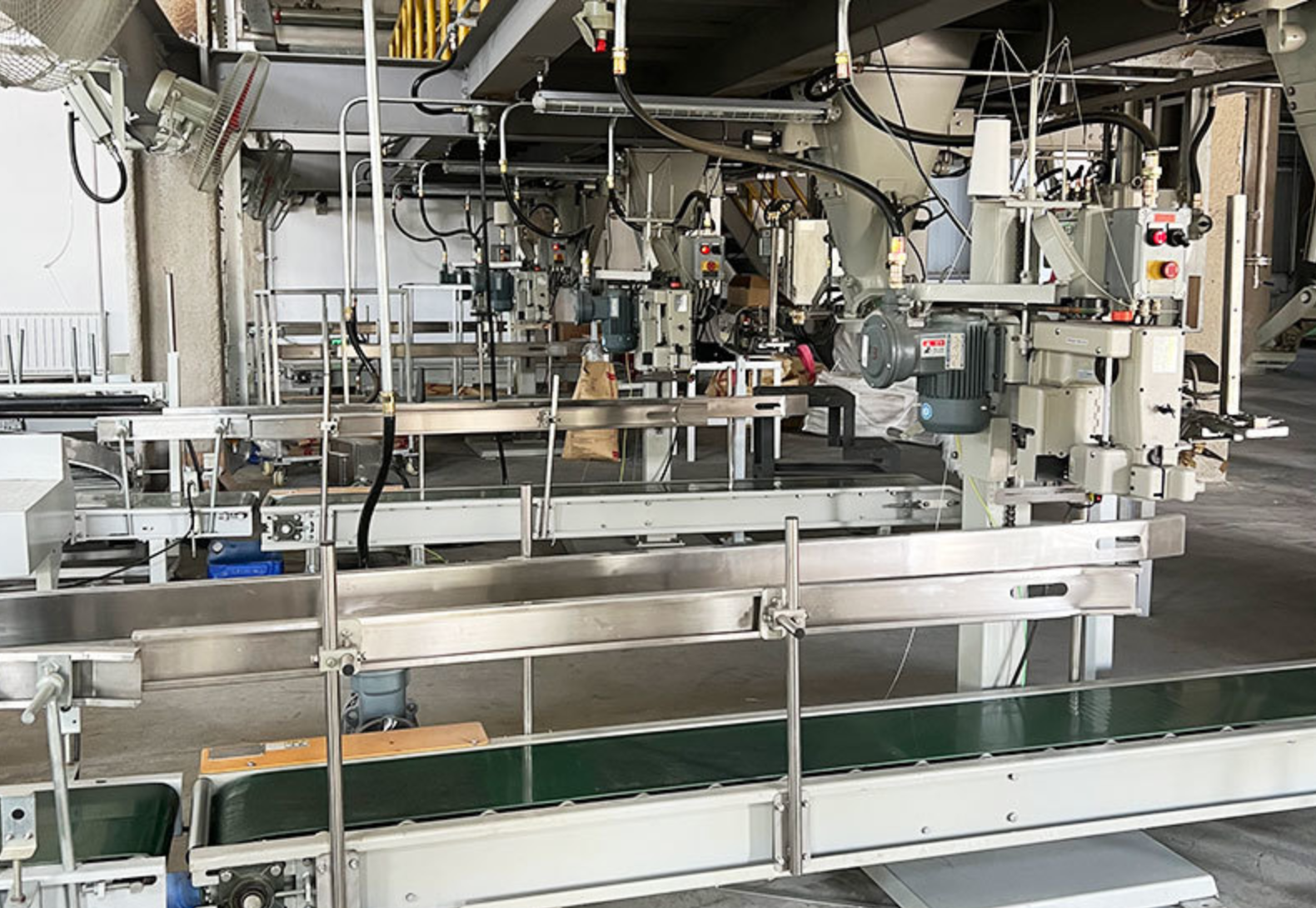
From these details, we are able to help you pick a more appropriate particle size and foaming ratio combination that will decrease your testing expenditures and also make it possible for you to get to the usable state directly. Daruwin is equipped with mature production capacity and stable supply skills at the factory level, thus it is quite suitable for the model industry's project-based + long-term cooperation supply model situation.
FAQ
1. Is this EPS OK for fine carving models?
Of course, P-105 and P-106 are better choices for the models that are demanding in terms of details.
2. Would it disintegrate really easy when being cut?
If the foaming and molding are done properly, cutting will hardly make it crumble at all.
3. Could it handle bigger model sizes?
Definitely, the power of stable molding makes it good for big-block splicing as well.
4. Do you have the ability to provide the supply that is stable over an extended period?
We do prefer long-term modelling customers.
About Us:
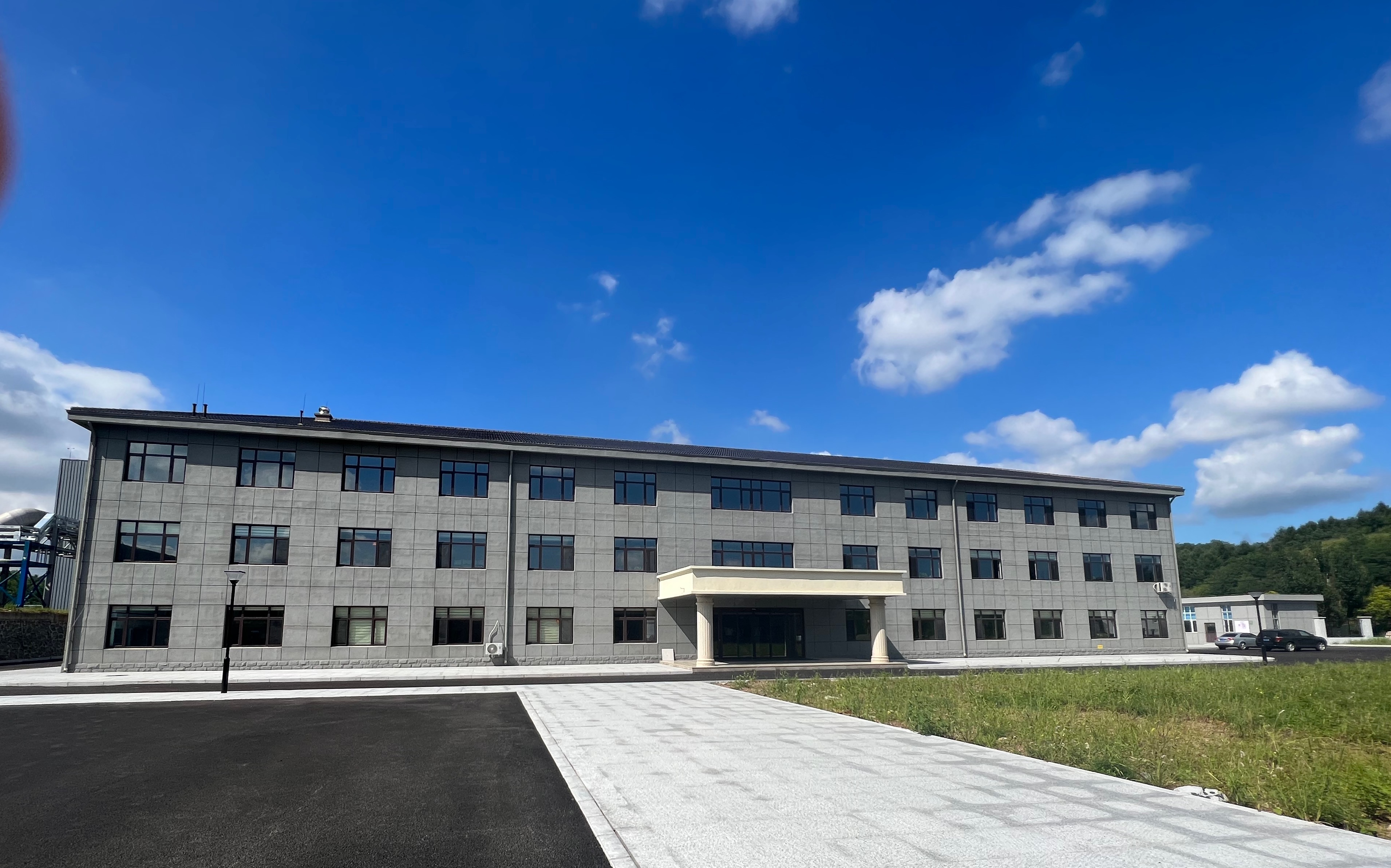
Fushun Daruwin Composite New Materials Co., Ltd. is a company which mainly focuses on energy-saving and environmentally friendly materials. The company manufacturing base occupies 185 acres and the annual production capacity of the EPS is 240,000 tons. Our graphite-grade EPS complies with the national flame retardant and insulation standards and is extensively applied in various fields from exterior wall insulation to cold chain logistics and electrical appliance packaging. The company allows customers to make orders in a flexible way and has products that are quite stable in quality.