Product Introduction:
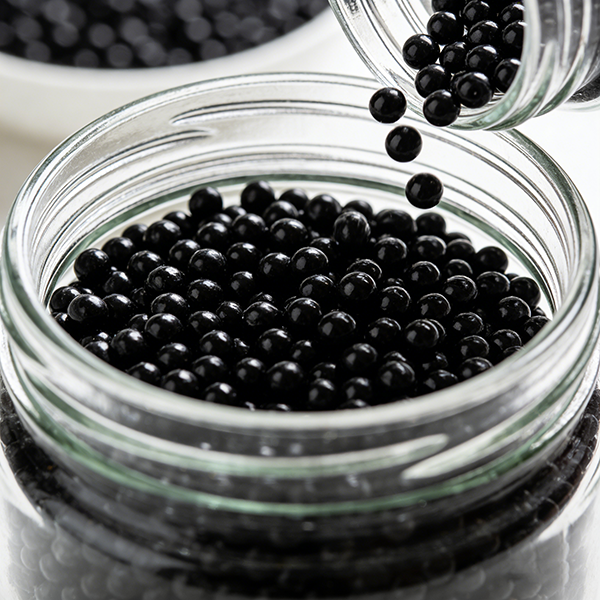
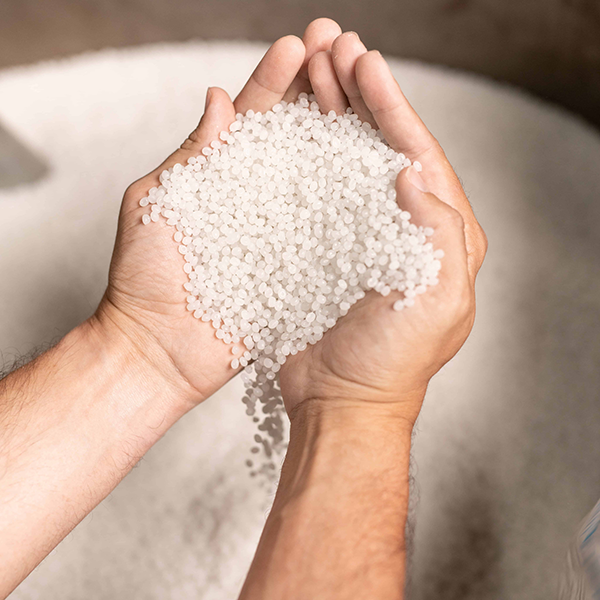
After the foaming process, EPS graphite particles give rise to a uniform, very light, closed-cell structure which lowers thermal conductivity drastically and raises the surface thermal insulation by more than 30%. Besides that, these materials have a high compressive strength and are water resistant. Using modular products made of EPS Graphite Resin Beads Raw Material is not only a move towards better thermal insulation and energy-saving but also towards longer life and more convenient construction, thus meeting the demanding requirements of modern architecture for green, high-performance, and prefabricated construction.
Where is it mainly used?
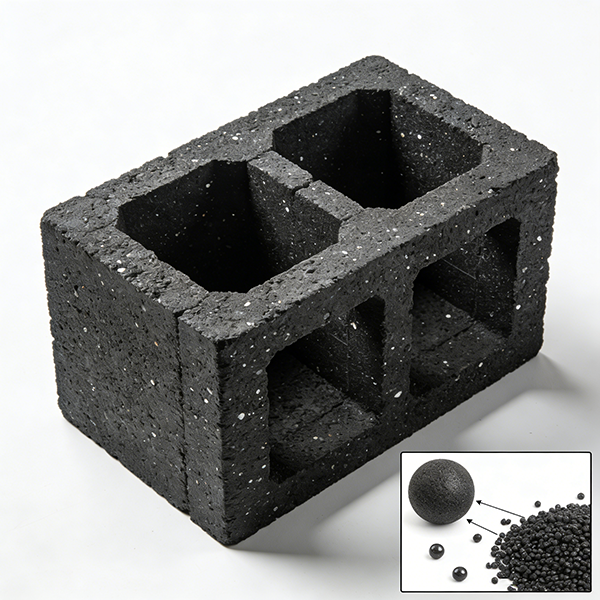
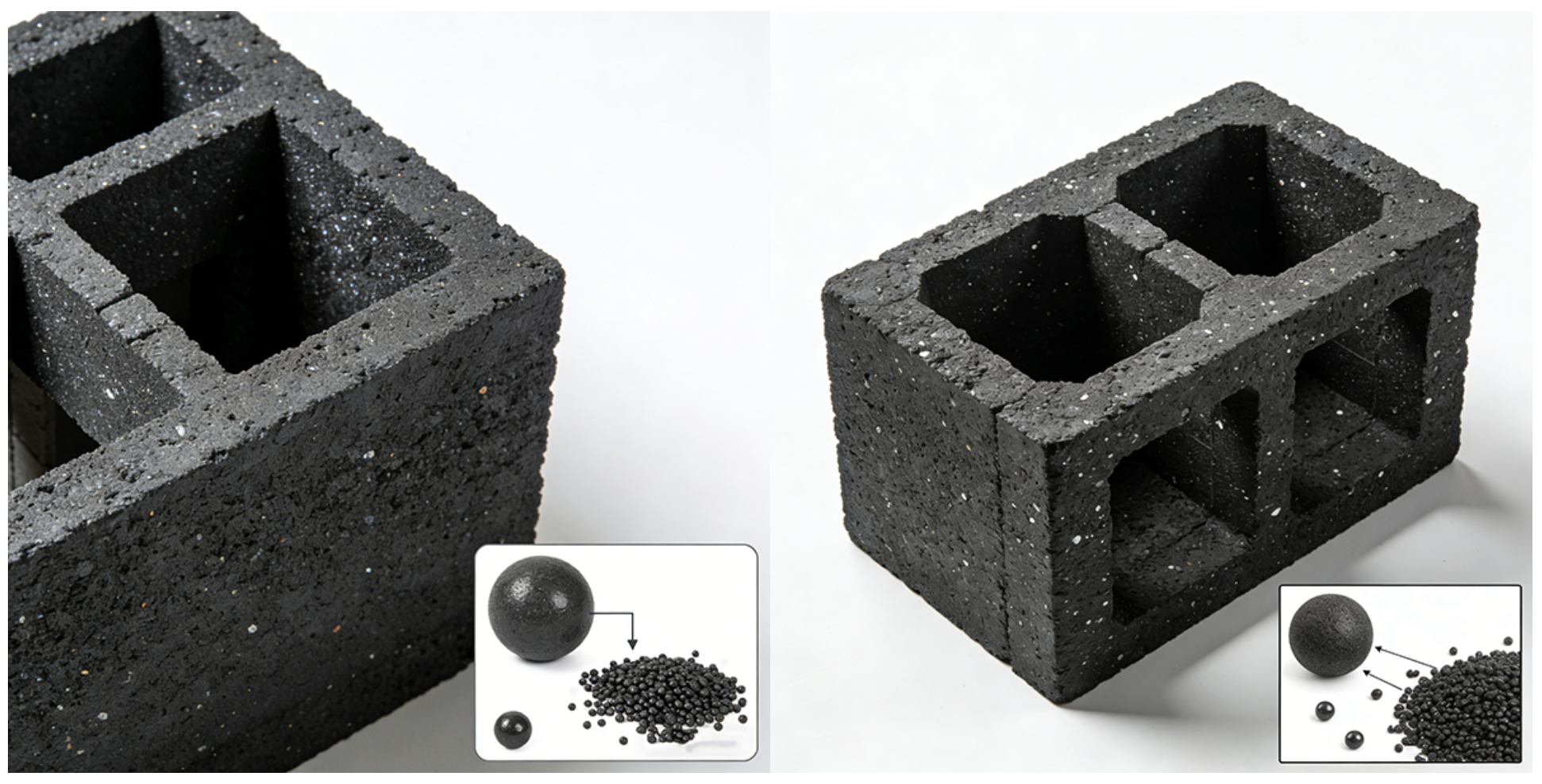
EPS Graphite Raw Material for Building mainly serves in the production of various lightweight building modules, for example,
Exterior walls insulation modules
Interior walls lightweight partitions modules
Prefabricated buildings modules
Core materials of roof insulation panels
Lightweight insulation panels
Lightweight interior wall panels for the high-rise residential or public buildings
Our company has been concentrating on the production of high-standard EPS for a very long time.

Why do buyers choose EPS particles produced by Daruwin?
When it comes to lightweight building modules, using graphite EPS particles as a raw material choice naturally resolves the main requirements of the system: insulation, structure, construction, and safety. Graphite microparticles, on the other hand, help to boost the material's thermal reflectivity feature, which makes it capable of reflecting much more of the heat coming towards it, thus reducing thermal conductivity to nearly 0.033 W/(m·K). This, therefore, leads to an increase in the module's thermal insulation performance and a decrease in the energy consumption of the building. From the point of view of the lightweight properties, the density of the material can be varied within the range of 15–30 g/L, thus, the modules could be made to be light and easy for installation, at the same time, a uniform and stable structure with a compressive strength of 0.5–0.6 MPa is maintained, thus, the modules are prevented from deforming and collapsing during the building phase. The closed-cell structure owns low water absorption and thus the moisture resistance supports long-term stability, fire resistance of the B1/B2 grades is feasible, and various building safety standards are fully satisfied. Hence, graphite EPS not only represents a material upgrade but also offers a comprehensive performance guarantee for lightweight modules all over their lifecycle, production to construction.
FAQs:
Q1: What are the benefits of using graphite EPS particles in lightweight modules?
A: Graphite EPS particles can ramp up the thermal insulation of the modules by approximately 30%, and they are capable of achieving a thermal conductivity value as low as 0.033 W/(m·K). Furthermore, they also improve the mechanical performance of the module by delivering a higher compressive strength of up to 0.5–0.6 MPa and better dimensional stability.
Q2: What is the adjustable density range?
A: Density can be adjusted very flexibly within the range from 15 to 30 grams per liter. Depending on your module design and application, we can suggest the most suitable parameters for your case.
Q3: Does the material satisfy building fire safety standards?
A: Of course. We can provide you with B1 or B2 fire-retardant grades that conform to most domestic and international building fire safety codes. We can also supply you with test reports for project approval.
About Us:
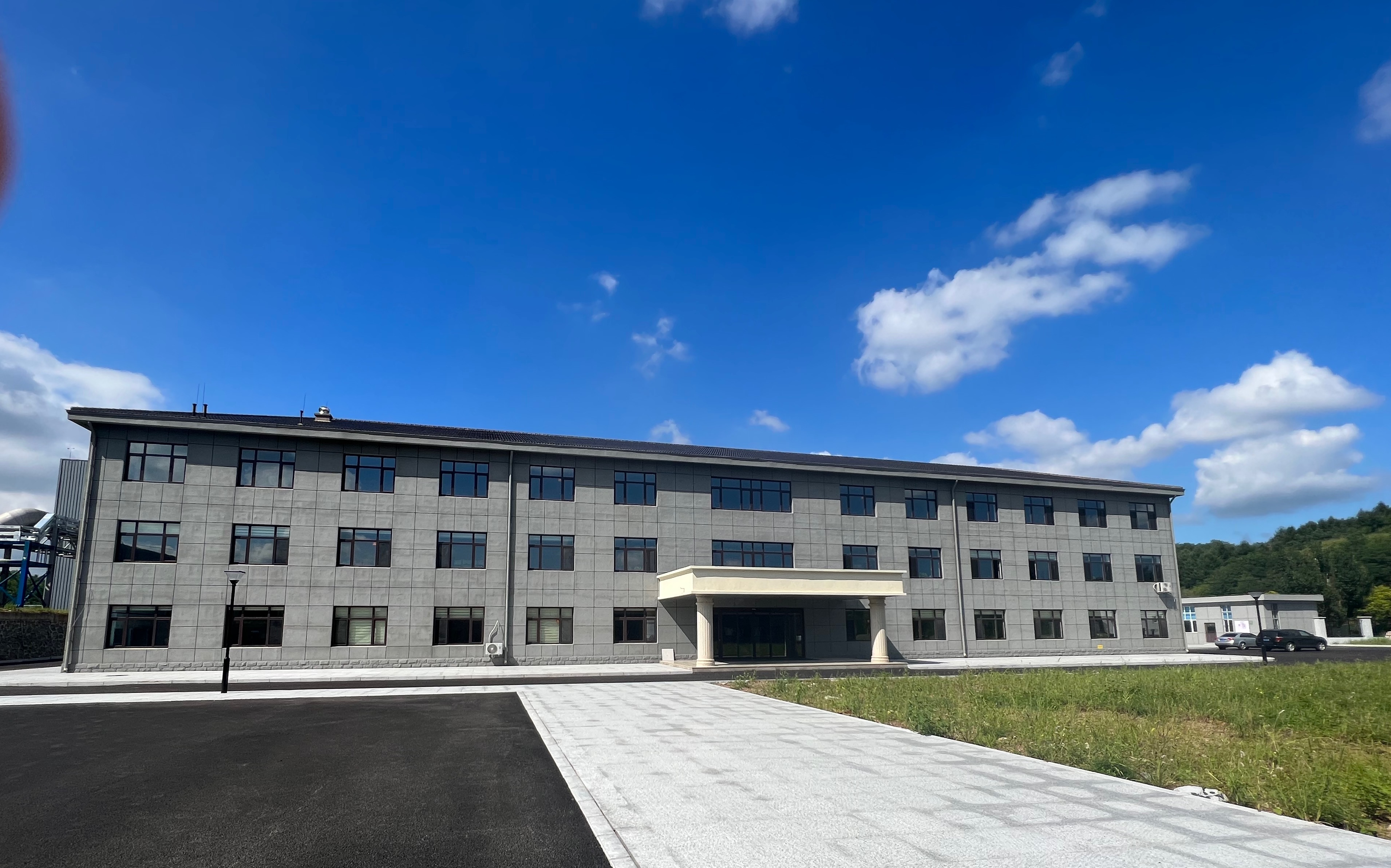
Our new materials base is located at Fushun, spanning 185 acres, where production and R&D departments are fully operational. Graphite-grade EPS is the product we have the greatest competitive advantage in. It is highly flame retardant and, at the same time, thermally insulating at a very high level. It complies with national standards and is extensively used in various industries. We provide our customers with tailor-made services of flexible nature, stable guaranteed stock of materials, and smooth cooperation.