Product Introduction:
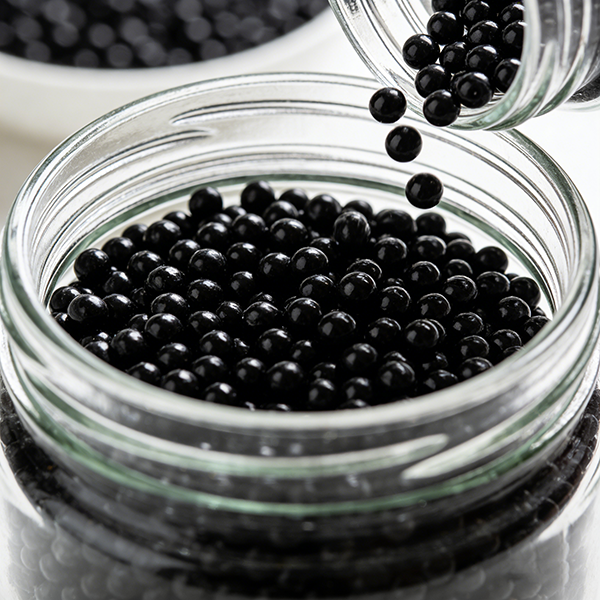
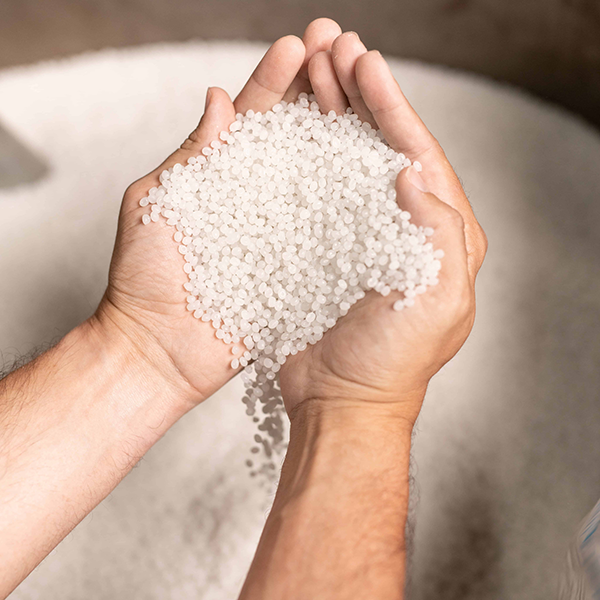
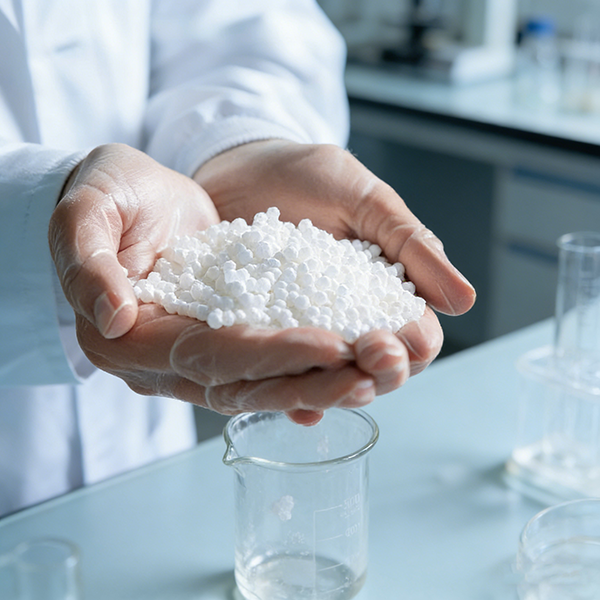
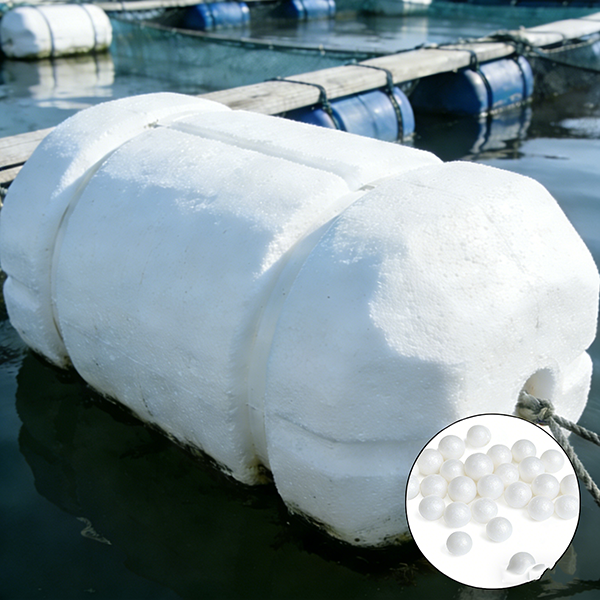
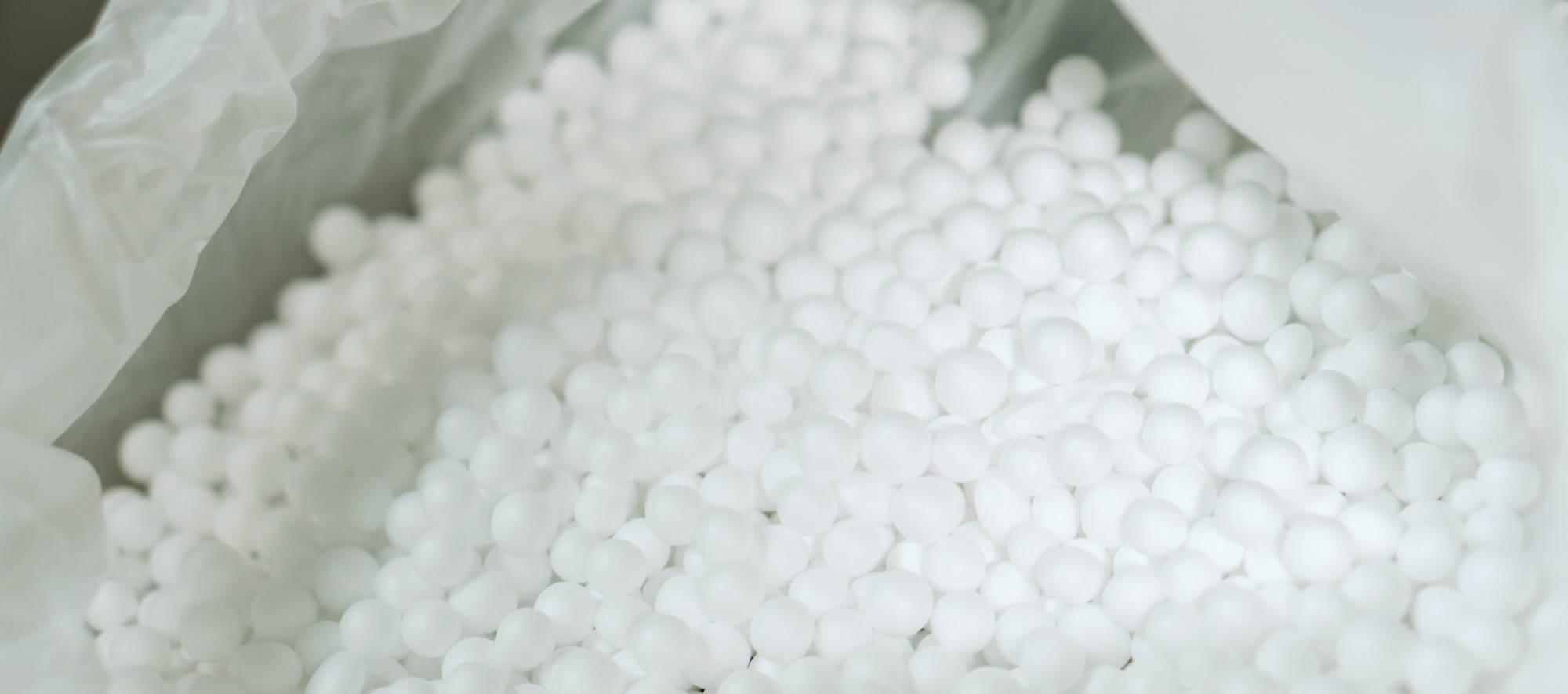
Daruwin brand EPS foam granules, mainly designed for aquatic farm floats, provide cages, rafts, and pontoons with excellent buoyancy and durability of service. EPS foam pellets Design for Fishing Float, once closed-cell foamed, creates a uniform and dense cell structure, thus offering high buoyancy and strong adaptability to different water conditions, thus ensuring the long-term stable support of aquaculture facilities in complex aquatic environments.
Where is it mainly used?
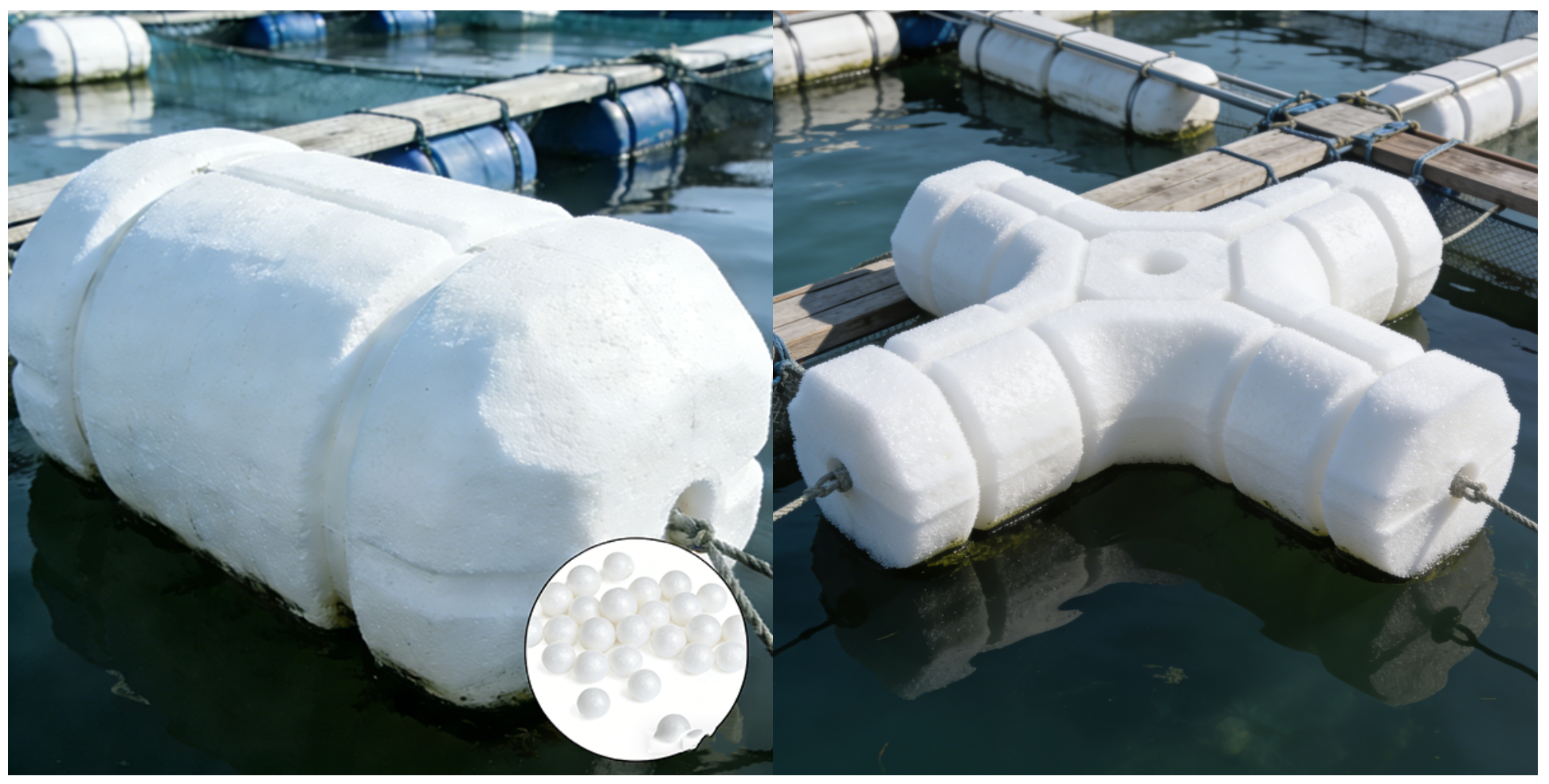
Aquaculture floats
Buoys, floating boxes, floating rafts
Buoyancy structures for saltwater/freshwater aquaculture platforms
Fish cage floats, dock auxiliary floats
Fishing rafts, buoyancy modules for aquaculture equipment

Why use EPS foam beads Design for Fishing Float for aquaculture floats?
1. Daruwin foam beads are produced by multiple foaming processes resulting in tiny and evenly distributed pores of which the formation of a stable and durable buoyancy structure is made easier by the presence of this structure resisting both overall and localized stress.
2. Aquaculture floats are exposed to the natural elements of waves, wind, and temperature variations and, consequently, their equipment suffers wear and tear. EPS Foam Floating Beads have made Aquaculture floats incorporate not only strength but also elastic cushioning, so, the fracture caused by brittleness is avoided and the duration of the product is assured.
3. Aquaculture floats are normally of considerable length and thickness, thus requiring high flowability and adhesion of the materials. EPS Floats Bead for Fish Farming does not tend to stick together during the molding process, and the pellets have good adhesion as well, so, it is perfect for manufacturing large, thick-walled float structures.
Model reference:
| Model | Particle size (mm) | Foaming ratio (times) | Typical Applications: |
| P-103 | 1.2–1.6 | 70–90 | Lightweight floating bodies, pontoons, and auxiliary buoyancy modules |
| P-104 | 0.8–1.2 | 65–85 | Conventional aquaculture floats and floating cages |
| P-105 | 0.6–0.9 | 55–70 | Floating bodies requiring high structural strength |
| P-106 | 0.4–0.7 | 40–60 | Structurally complex, small-sized buoy components |
Manufacturer's Focus:
From a processing point of view, Daruwin's EPS Floats Bead for Fish Farming product is very easy to handle for aquatic float manufacturers. It can be used with all the common pre-foaming and molding machines, and is particularly suitable for large-sized, thick float products. During the pre-foaming stage, the foam product is dry and loose, free from clumps, and has good fluidity, facilitating uniform mold filling. The curing time of EPS Foam Floating Beads is manageable and normally takes about 4-12 hours, depending on the temperature. The heating time in the molding phase is relatively short and there is a wide window to do the molding, so even low-tech equipment and less-skilled operators are enough.
Daruwin's R&D Capabilities:
Watercraft such as aquaculture floats, pontoons, and rafts depend on empirical knowledge in varied aquatic environments (freshwater/seawater salinity, temperature variations, and biological environments), different float structures (size, shape, connection methods), and different load requirements (static buoyancy, dynamic wind, and wave resistance, long-term load changes), each of which imposes different material performance needs. Daruwin's R&D team can make a proposal of material formulas and process solutions suitable for your application context at a deeper level by considering such factors as particle size distribution, foaming ratio, bonding strength, and anti-aging performance.
Daruwin's Manufacturing Capabilities:
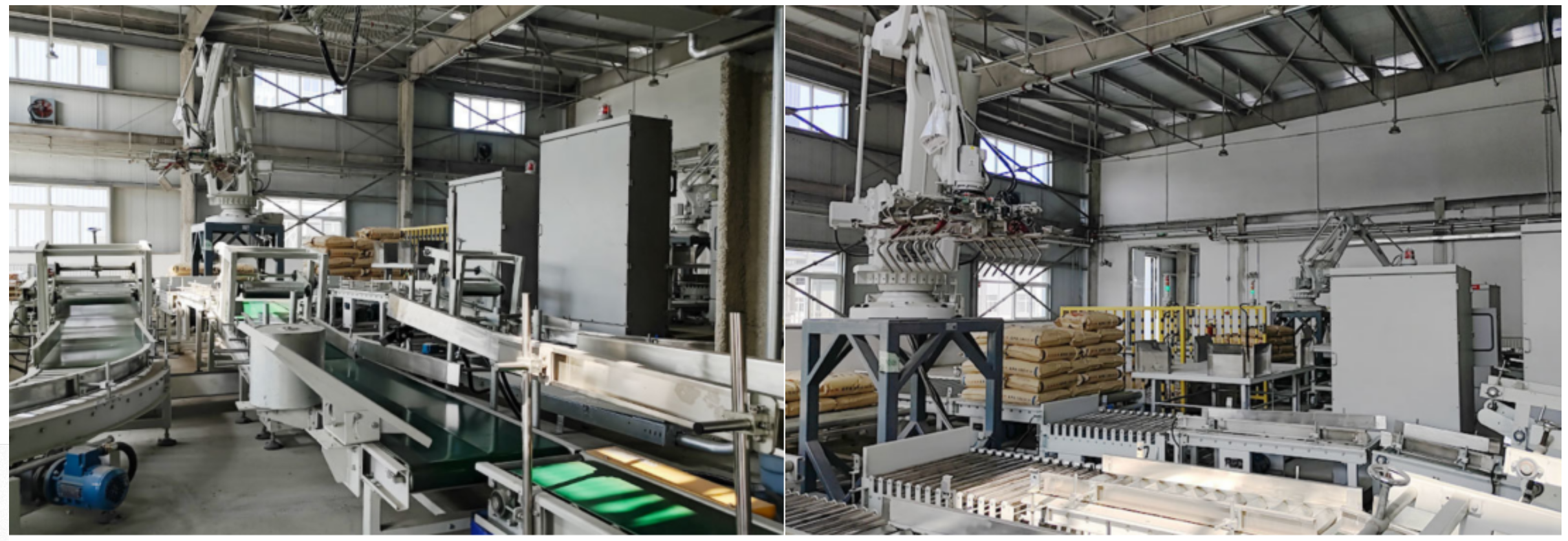
With a large-scale, standardized production base and a continuous and stable supply system, Daruwin ensures a high level of batch-to-batch consistency of raw materials. This is a crucial aspect of aquaculture projects, which typically have long project cycles and are very high maintenance. Apart from ensuring the availability of raw materials in peak production periods, with the help of strict quality control, we also reduce the risk of float quality issues caused by material performance variations, thus, enabling your products' long-term stable operation in water environments of the highest complexity.
FAQ
1. Can this EPS raw material be kept under water for a long time?
Yes, the closed-cell structure ensures that it maintains buoyancy over a long time.
2. Is it possible to use this to make large aquaculture floats?
Yes, it has good molding compatibility and is therefore suitable for large and thick structures.
3. Will the floats easily absorb water and become heavy?
By using a proper process of construction design, the water absorption rate can be controlled and therefore the buoyancy stays stable.
4. Do you offer support for project supply in the long run?
Yes, we mainly work with long-term cooperative customers.
About Us:
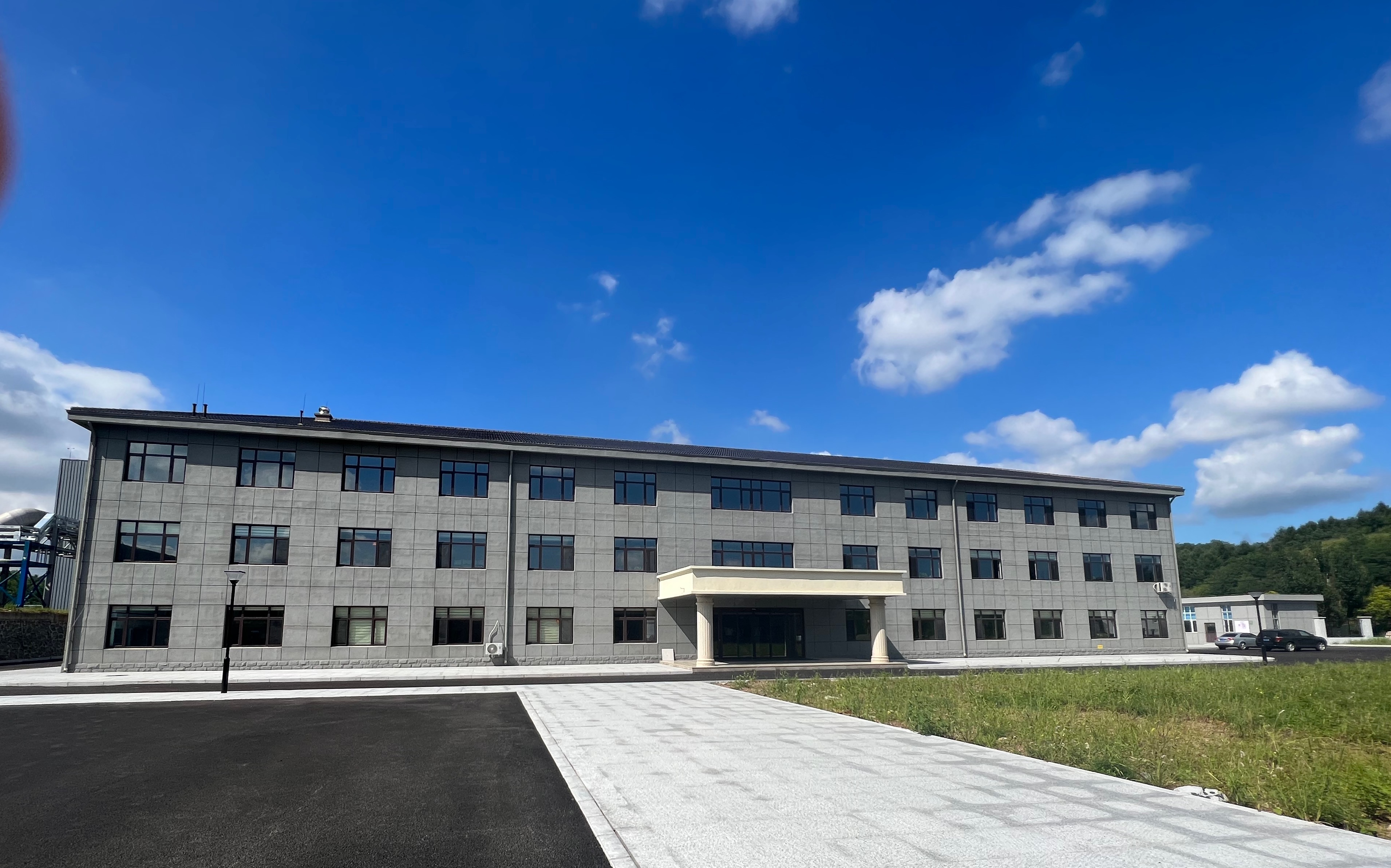
Daruwin is an EPS new material company with a large-scale facility, advanced equipment, and an annual production capacity of 240,000 tons. Through our partnership with Fushun Petrochemical, we focus on producing graphite-grade EPS that has outstanding flame retardant and thermal insulation properties, and is therefore widely used in the construction industry and cold chain logistics. The company has a well-established R&D and service team, which is able to offer customized solutions to our clients.